
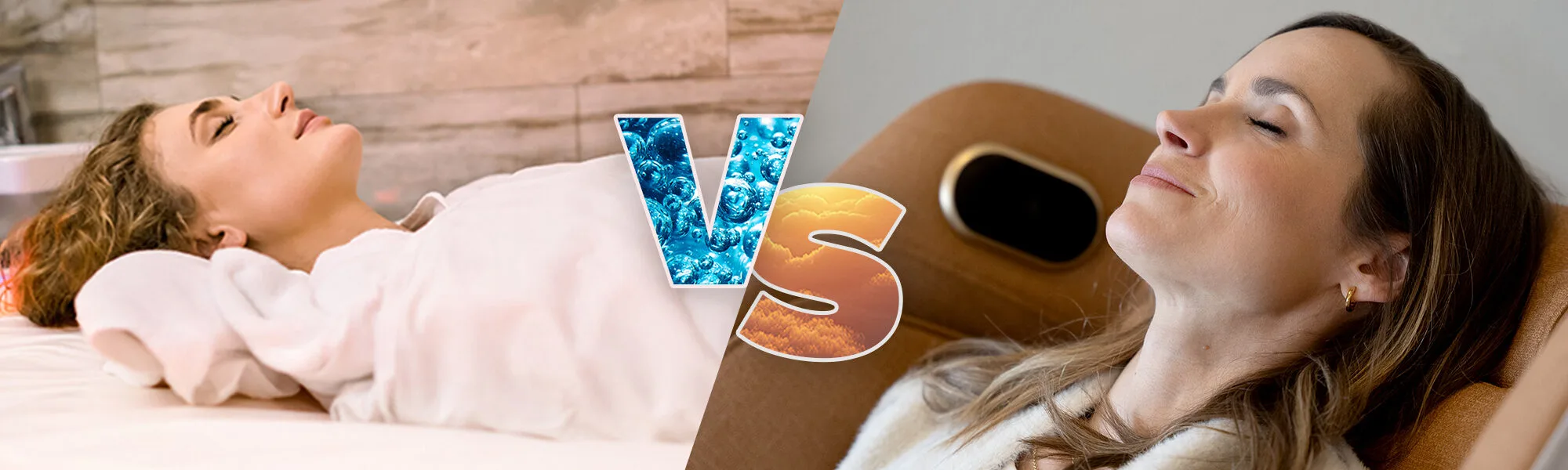
What Is Hydromassage? How It Compares to a Massage Chair
-
 Created By
Charles Stanley
Created By
Charles Stanley
Originally published on August 1, 2025.
Last updated on June 18, 2026.
Share this article:
When it comes to relaxation and stress relief, few things feel as good as a great massage. But with so many options available — from professional massage therapy to at-home massage chairs and spa treatments — it can be tough to know which solution is right for you. One term you may have come across in your search is hydromassage. But what is hydromassage, and how does it compare to a massage chair? Let’s break it down.
What Is Hydromassage?
Hydromassage is a therapeutic treatment that uses warm water under pressure to massage the body. Unlike traditional massages, hydromassage typically involves lying down on a specially designed table or sitting in a lounger where pressurized jets of warm water move along your body. The water jets are enclosed within a waterproof rubber barrier, so you stay dry while receiving a water-powered massage.
You’ll commonly find hydromassage beds and loungers in wellness centers, gyms, spas, and chiropractic clinics. Some people also refer to hot tubs or spa baths with massaging jets as a form of hydromassage. In most cases, hydromassage is understood to involve a dry environment with controlled, directed water pressure.
The key benefits of hydromassage:
- Relieves muscle tension
- Improves blood circulation
- Eases stress and promotes relaxation
- Can help reduce minor aches and pains
- Requires no physical contact with a human massage therapist
Massage Chair vs. Hydromassage: What’s the Difference?
While both massage chairs and hydromassage aim to relax the body and relieve tension, the way they deliver their benefits — and where they fit into your lifestyle — differs quite a bit. Here’s a closer look:
| Feature | Hydromassage | Massage Chair |
| Massage Method | Pressurized water jets (while staying dry) | Mechanized rollers, air cells, vibration |
| Customizability | Adjustable water pressure, speed, and massage zones | Multiple massage programs, techniques (kneading, shiatsu, etc.), intensity levels |
| User Experience | Typically found in spas, gyms, or wellness centers | In-home, anytime access |
| Therapeutic Benefits | Muscle relaxation, stress relief, improved circulation | Muscle recovery, posture correction, deep-tissue massage, zero-gravity recline |
| Aesthetics | Bulky, commercial-looking equipment | Stylish, furniture-inspired designs that blend into home décor |
| Installation & Maintenance | Expensive to purchase, requires professional installation, regular upkeep of water systems, and high energy consumption to keep water heated. | Simple plug-and-play setup, minimal maintenance |
| Realism | No replication of human hand movement — water jets only | Mimics real hands-on massage techniques like kneading, tapping, and shiatsu |
| Noise Level | Incredibly loud during use; always requires headphones or earplugs during use | Whisper-quiet operation, designed for home environments |
| Cost | Typically less expensive per session but adds up over time; full systems are costly. Again, energy costs are high. | One-time investment with years of use |
Important Considerations: Cost, Maintenance, Realism, Noise, and Home Fit
It’s also important to recognize that hydromassage equipment is typically designed for commercial environments. These units are large, heavy, and require access to water systems, regular maintenance, and professional servicing. Between installation, water system management, and upkeep, hydromassage systems can be expensive and cumbersome for residential use.
Aesthetically, hydromassage tables and beds look like medical or gym equipment — practical for a commercial spa or fitness center, but often out of place in a home setting. In contrast, today’s luxury massage chairs feature sophisticated, furniture-inspired designs with leather, woodgrain, and neutral finishes that easily blend into your home décor.
Another key distinction is the realism of the massage experience. While hydromassage beds rely on streams of water pressure moving along your body, they don’t come close to replicating the feel of real human hands. On the other hand, high-quality massage chairs are specifically engineered to mimic the movements, pressure, and techniques of a professional massage therapist. Advanced models use precision roller systems, 3D and 4D mechanisms, and programmed routines for kneading, tapping, shiatsu, and stretching — providing a highly realistic and deeply therapeutic experience that water jets simply can’t match.
And one major drawback that many first-time users don’t expect: hydromassage beds are notoriously loud. The sound of the high-pressure water jets moving beneath the waterproof barrier can be intrusive and disruptive, often requiring the use of headphones or earplugs just to enjoy the session. This stands in stark contrast to today’s top-tier massage chairs, which are designed for whisper-quiet operation, making them ideal for use in a living room, bedroom, or office without disturbing others in the household.
Which Option Is Right for You?
The best choice depends on your preferences, lifestyle, and wellness goals.
- Choose hydromassage if:
You enjoy the soothing sensation of water pressure, don’t mind visiting a gym or spa, and prefer a quick, easy relaxation session without full physical contact. - Choose a massage chair if:
You want consistent, on-demand massage therapy in the privacy of your home, with the ability to personalize your experience with advanced features like heat, zero-gravity recline, foot rollers, and full-body air massage — all in a piece of furniture that complements your space. Plus, if you’re seeking a realistic, hands-on massage simulation, a high-quality massage chair is the only at-home option capable of delivering that kind of therapeutic experience. And you can enjoy it in peaceful, near-silent comfort without noise or ear protection.
Final Thoughts
Hydromassage is a relaxing, effective way to ease muscle tension and reduce stress, especially if you love the calming effects of water. But for those seeking convenience, style, realism, and a broader range of therapeutic features, a massage chair is often the smarter, more practical investment for home wellness.
At Furniture For Life Massage Chairs, we specialize in premium massage chairs that deliver spa-quality relaxation with Japanese-made craftsmanship and furniture-inspired designs. Whether you’re curious about hydromassage or ready to invest in your own personal massage chair, our wellness experts are here to help you find the perfect fit.
FAQs
What is a hydromassage?
Hydromassage is a therapeutic treatment that uses pressurized jets of warm water to massage the body, typically while you remain dry and fully clothed. It’s commonly used for muscle relaxation, stress relief, and minor pain reduction.
Can a massage chair replace hydromassage?
Yes — while the sensation is different, a high-quality massage chair can provide comparable (and often superior) muscle relief, stress reduction, and wellness benefits. It also offers the added advantages of home convenience, aesthetic appeal, realistic massage techniques, and minimal maintenance.
Is hydromassage equipment suitable for a home?
In most cases, no. Hydromassage equipment is expensive, requires professional installation and maintenance, is visually intrusive in home environments, and operates at a noise level that often requires headphones or earplugs. A massage chair is a far more practical, attractive, and cost-effective option for home wellness.
Do hydromassage beds feel like a real massage?
Not really. Hydromassage uses streams of water pressure, which can feel relaxing but doesn’t replicate the feeling of real human hands. High-quality massage chairs, on the other hand, are engineered to mimic the techniques and movements of professional massage therapists, offering a much more realistic and effective therapeutic experience — and in soothing, near-silent comfort.

Charles Stanley
Marketing Director
Charles is the Director of Marketing for Furniture For Life Massage Chairs. As a frequent contributor to the Furniture For Life blog, he is dedicated to helping shoppers make well-informed decisions to improve their health, wellness, and happiness by providing insights into massage chair benefits, technology, and functionality.
-
 Cliff Levin

Read the Body Massager Guide >
-
Charles Stanley
Explore Foot Massagers & Chairs >
-
Charles Stanley
Find Fibromyalgia Relief >
Step into one of our showrooms and feel the difference for yourself. Sit back, relax, and discover what true comfort really means.
- Chat with us